

Cognitive Behavioral Therapy (CBT)
Understanding Cognitive Behavioral Therapy (CBT) and "How CBT Works"
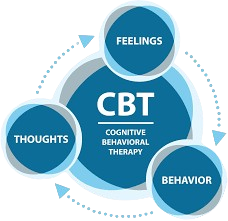
CBT is a practical, talk-based therapy designed to help
you manage challenges by shifting negative thought
and behavior patterns. It’s a powerful tool for
addressing anxiety and depression, and can also be
beneficial for a range of other mental and physical
health concerns. This therapy also empowers you to
take control of your mental well-being.
How CBT Works: Breaking the Negative Cycle
Cognitive Behavioral Therapy (CBT) operates on the principle that our thoughts, feelings, physical sensations, and actions are deeply interconnected. When negative or distorted thoughts take hold, they can create a harmful cycle—leading to stress, anxiety, depression, and other emotional struggles. Over time, this cycle can affect how we see ourselves, interact with others, and respond to life’s challenges.
CBT empowers individuals to recognize these patterns and gently challenge them. Through structured sessions, it helps break down overwhelming problems into smaller, more manageable parts. By understanding the link between thoughts and behaviors, people learn practical strategies to interrupt unhelpful thought cycles and replace them with healthier, more balanced perspectives.
Whether you’re facing everyday stress, intrusive thoughts, or long-standing emotional pain, CBT provides tools to build emotional resilience. Over time, many individuals experience improved mood, better coping skills, and a greater sense of control in their daily lives. It’s not just about managing symptoms—CBT helps you rewrite your internal story and move forward with clarity and confidence.
Conditions CBT Can Help With
CBT is effective for various mental health conditions, including:
- Anxiety and Depression
- Bipolar disorder
- Borderline personality disorder
- Eating disorders (anorexia, bulimia)
- Alcohol misuse
- Substance Use Disorders
- Obsessive-compulsive disorder (OCD)
- Panic disorder
- Phobias
- Post-traumatic stress disorder (PTSD)
- Psychosis and schizophrenia
- Sleep problems (insomnia)
What to Expect in CBT Sessions
Typically, Cognitive Behavioral Therapy (CBT) involves meeting with a trained therapist once a week or every other week, depending on your needs and progress. Most treatment plans range from 6 to 20 sessions, with each session lasting between 45 to 60 minutes. These structured yet collaborative sessions create a safe space where you and your therapist work together to explore your concerns in depth.
During these sessions, you’ll begin to break down the problems you’re facing—whether emotional, behavioral, or situational—into smaller, more manageable parts. You’ll examine the connection between your thoughts, feelings, and actions, identifying patterns that may be contributing to distress. Your therapist will guide you through evidence-based techniques that challenge unhelpful thinking and promote healthier responses.
Between sessions, you’ll apply these strategies in real-life situations, allowing you to build confidence and reinforce new habits. The ultimate goal of CBT is not just symptom relief, but empowering you with practical, long-lasting tools to face life’s challenges independently, with greater clarity and resilience.
CBT: Pros and Cons
- Relatively short-term compared to other therapies.
- Flexible delivery (groups, self-help books, online
- Provides practical, everyday coping skills
- Empowers you to change your own patterns.
- Can be as effective as medication for some conditions.
- Requires commitment and active participation.
- Time-consuming (sessions and practice)
- May not be suitable for complex mental health or learning difficulties.
- Can involve confronting uncomfortable emotions.
- Doesn't address systemic or family issues

Helping You Find Balance and Growth
As a psychologist, I’m passionate about empowering individuals to achieve holistic wellness.
Here, we talk on topic:
Mental Health: Stress management, anxiety, depression, and more
Physical Health: Nutrition, exercise, and overall wellness
Child Psychology: Parenting tips, child development, and behavioral guidance
Relationships: Building strong connections, communication, and conflict resolution
Teenagers’ Psychology: Adolescent development, self-esteem, and emotional intelligence
Cancer Awareness: Education, support, and resources for patients and caregivers Join me on this journey towards holistic health and wellness.
