

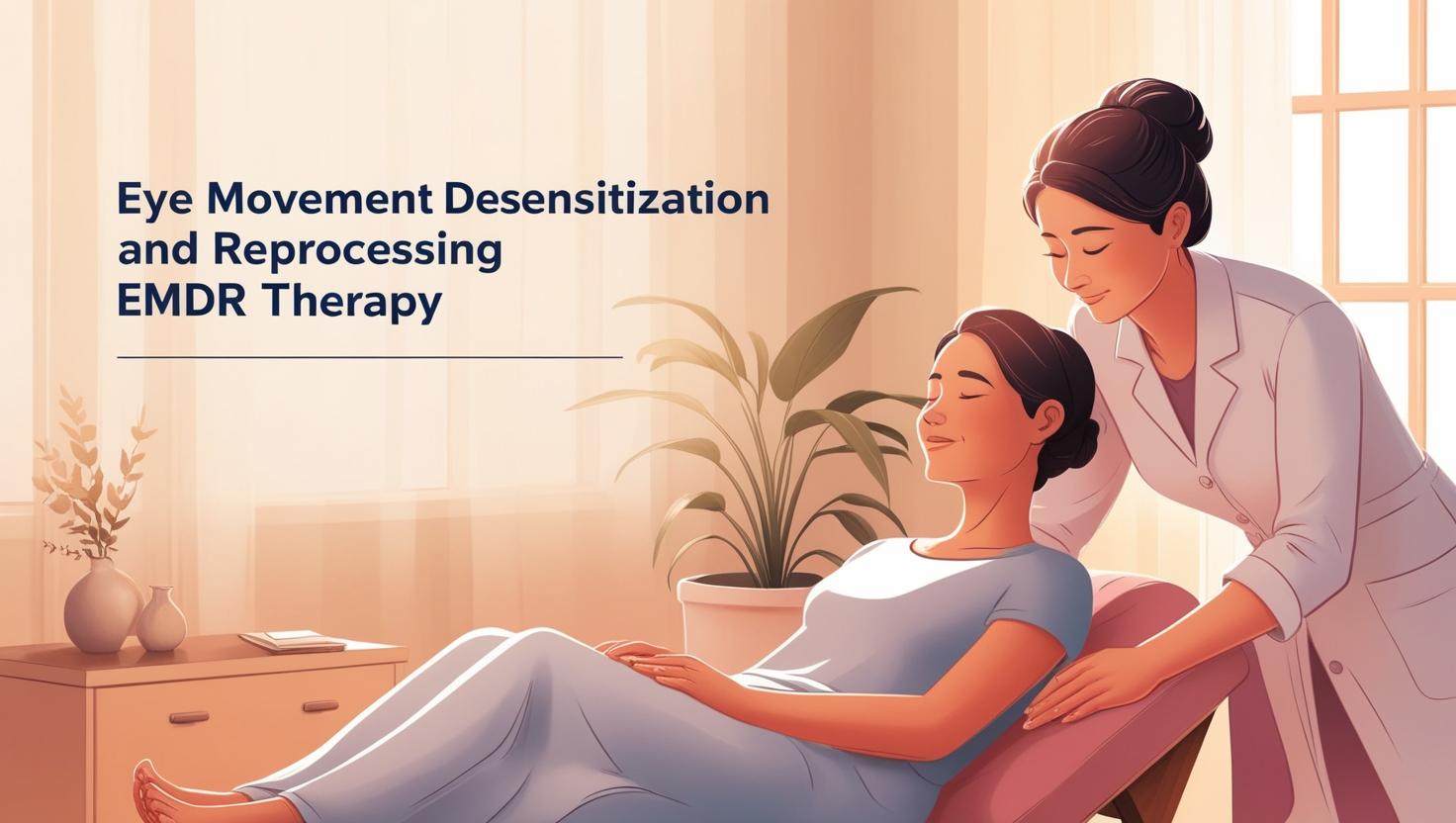
EMDR therapy is a mental health treatment technique that involves moving the eyes in specific ways to help the brain process traumatic memories. EMDR basically “shakes” the frozen trauma loose and allows the mind to reprocess and integrate it, effectively unfreezing the emotional blocks caused by distressing experiences.
The Adaptive Information Processing (AIP) Model
At the heart of EMDR lies the Adaptive Information Processing (AIP) model. This model suggests that our brains are naturally wired to process experiences in a way that supports learning and adaptation. However, trauma can interrupt this normal processing, causing memories to become trapped in a dysfunctional form. These “frozen” memories can continue to trigger distress, flashbacks, and negative beliefs long after the trauma has passed.
The Eight Phases of EMDR Therapy
History Taking
The therapist gathers background information and identifies key memories for processing.Preparation
The therapist explains how EMDR works and builds a foundation of trust with the client.Assessment
The client identifies a specific memory along with associated images, negative beliefs, emotions, and bodily sensations.Desensitization
While recalling the memory, the client undergoes bilateral stimulation (often through guided eye movements), allowing the brain to begin reprocessing.Installation
A positive belief is introduced to replace the old, negative association with the traumatic memory.Body Scan
The client observes any lingering physical sensations linked to the memory.Closure
The session is concluded with calming techniques and aftercare instructions.Re-evaluation
The therapist checks progress and identifies additional memories that may still need work.
Beyond Eye Movements: Bilateral Stimulation
While eye movements are commonly used, other forms of bilateral stimulation are effective too:
Tapping: Alternating taps on the shoulders or knees.
Auditory Tones: Alternating sounds delivered through headphones.
Understanding Triggers
Sights, sounds, or smells that resemble past trauma can “trigger” those improperly stored memories. Unlike typical memories, these evoke extreme emotions like fear, panic, or rage. A common example is a PTSD flashback, where the past feels terrifyingly real in the present moment.
The Benefits of EMDR Therapy
Rapid Relief: Many experience improvement within just a few sessions.
Emotional Healing: Reduces the intensity of trauma-related emotions.
Cognitive Clarity: Helps replace harmful beliefs with empowering ones.
Clinically Validated: EMDR is endorsed by the WHO as an effective treatment for PTSD.
Connect with Therapy with Sapna
If you’re ready to explore EMDR therapy and start healing, connect with us:
🌐 Website: https://therapywithsapna.com
📍 Google My Business: Therapy with Sapna on Google Maps
📸 Instagram: @therapywithsapna_
