

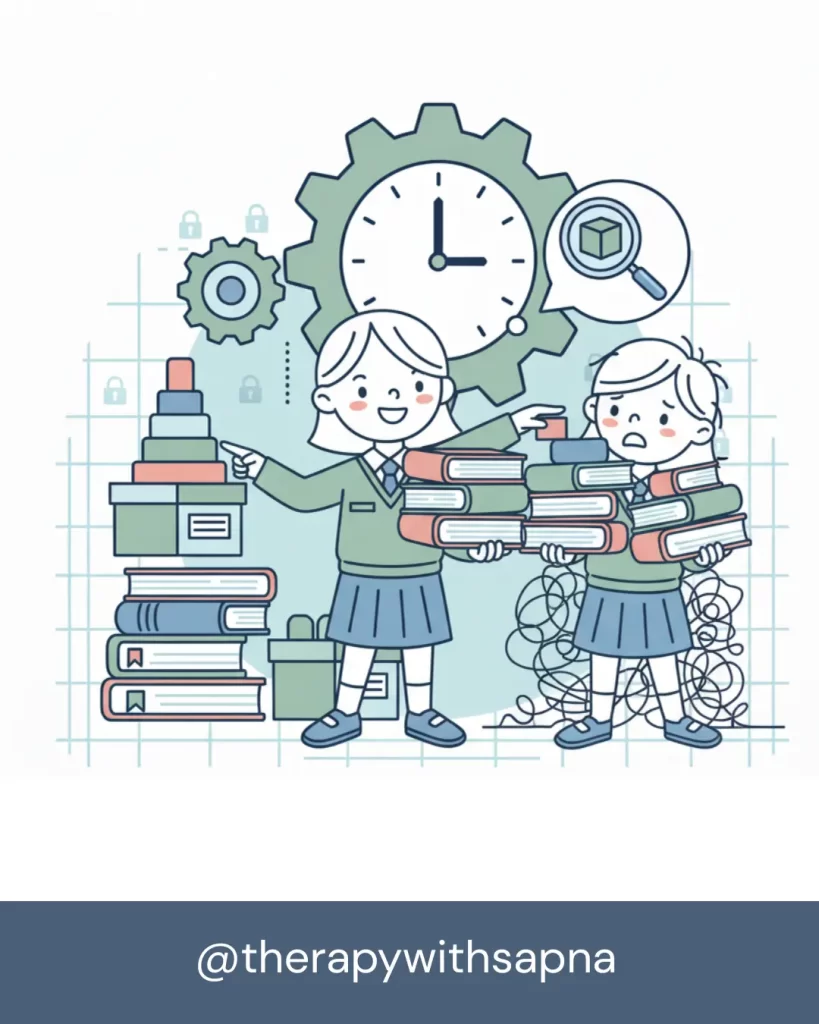
Have you ever felt that intense, internal pressure for things to be “just right”? That exhausting drive to organize, double-check, or make everything perfect is often mandatory, not optional, and it can take a real toll on you and your relationships.
Rules and Order: A rigid adherence to standards, lists, and schedules.
Perfectionism: A fear of imperfection that often interferes with finishing tasks.
Control: A pervasive need to have control over yourself, other people, and all situations.
Rigidity: A deeply held belief that their way of doing things is the correct and only way.
The aim of therapy is not to change your core personality, but to help you find a healthier balance. We focus on moving from rigidity to flexibility, and shifting the energy spent on absolute control toward emotional ease and simply being.
People often confuse OCPD (Obsessive-Compulsive Personality Disorder) with OCD (Obsessive-Compulsive Disorder) because of their similar names, but they’re quite different in how they affect a person’s life and thoughts.
People with Obsessive-Compulsive Personality Disorder (OCPD) often live by the belief that things must be perfect, controlled, and done “the right way.” While discipline and responsibility are good traits, OCPD turns them into sources of stress — for the person and for those around them.
Spending excessive time on details, rules, or organization — often missing deadlines or the bigger picture
Feeling uncomfortable when others don’t follow your way of doing things.
Difficulty understanding others’ perspectives or forgiving mistakes.
Prioritizing productivity over relationships or relaxation, even when not required.
Believing others won’t do it “right” leads to a pervasive inability to delegate tasks. (Focuses on the resulting behavior)
Struggling to express warmth or affection freely, often leading to being perceived as cold or distant.
Keeping things because they might be “useful someday.
Frequent doubt and excessive caution when making decisions, leading to long delays or an inability to act due to the fear of making the “wrong” choice.
In contexts like Indian culture, emphasis on academic excellence and discipline can sometimes unintentionally amplify these rigid tendencies.
OCPD is a personality disorder, so change takes time. Therapy focuses on improving flexibility, reducing stress, and fostering healthier relationships.
Helps identify rigid thought patterns and perfectionistic thinking. Patients learn to challenge “all-or-nothing” thinking and adopt more balanced approaches.
Improves social and communication skills, encourages empathy, and reduces interpersonal rigidity.
Explores deep-rooted fears, childhood experiences, and unconscious motivations for control and perfectionism.
Helps family members understand the disorder, improve communication, and support positive changes
OCPD is not a personal failure; it is a pattern of thinking and behavior that can be understood, managed, and improved. With the right strategies and support, individuals can lead balanced, fulfilling, and meaningful lives.
OCPD is not “curable” in a traditional sense, but symptoms can be managed, and individuals can lead flexible, fulfilling lives with therapy
Yes. OCD involves distressing intrusive thoughts and urges, while OCPD involves rigid behaviors that the person believes are correct.
Stress is a response to external pressures and usually resolves when the stressor is removed. Anxiety is a prolonged feeling of worry or fear, often without a specific or immediate cause.
Yes. Mindfulness, self-reflection, flexibility exercises, and stress management can complement therapy.
Supportive family and friends can encourage therapy, practice flexibility, and provide constructive feedback.

As a psychologist, I’m passionate about empowering individuals to achieve holistic wellness.
Here, we talk on topic:
Mental Health: Stress management, anxiety, depression, and more
Physical Health: Nutrition, exercise, and overall wellness
Child Psychology: Parenting tips, child development, and behavioral guidance
Relationships: Building strong connections, communication, and conflict resolution
Teenagers’ Psychology: Adolescent development, self-esteem, and emotional intelligence
Cancer Awareness: Education, support, and resources for patients and caregivers Join me on this journey towards holistic health and wellness.

©Copyright 2024 powered by Therapy with Sapna